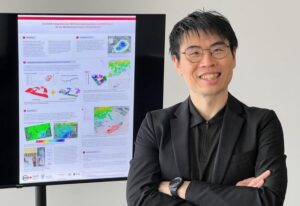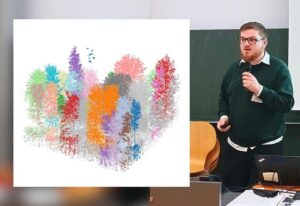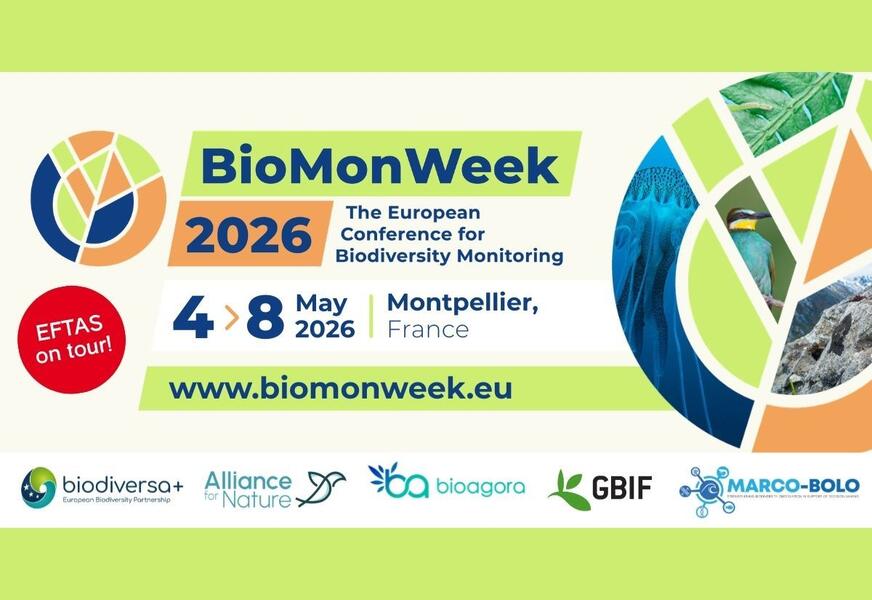
In Montpellier IFAB and EFTAS joined the European biodiversity community to present EMBAL, our approach for European Monitoring of Biodiversity in Agricultural Landscapes, at the Hashtag#BioMonWeek2026.
Biodiversity monitoring is becoming increasingly important for evaluating the success of European policies such as the Common Agricultural Policy as well as more recently the Nature Restoration Regulation. Reliable, harmonized and large-scale monitoring data are essential to understand how agricultural landscapes are changing over time and space.
Genau hier setzt EMBAL an:
Based on the LUCAS grid, the survey combines in-situ field observations with standardized monitoring methods across all EU Member States. Parameters such as land cover/use, plant diversity, pollinator forage, landscape heterogeneity and landscape features help to build a more comprehensive picture of biodiversity in European farmland. EMBAL was first piloted in 2020, and rolled out to all EU27 countries in 2022 and 2023.
At the conference, Dr. Laura Sutcliffe (IFAB) and Dirk Lindemann (EFTAS) presented how EMBAL supports EU-wide biodiversity monitoring and how Earth observation and harmonized field data together provide an important basis for future environmental assessments and policy decisions.
For us, events like BioMonWeek are an important opportunity to exchange ideas with researchers, institutions and practitioners from across Europe, because long-term biodiversity monitoring can only succeed through collaboration, shared standards and continuous innovation.
As a part of the European biodiversity monitoring community we were glad to talk to so many of you during the conference. Thank you for your ideas and for discussing our approach! And many thanks to the organisers for bringing us all together in Montpellier!
PS: As part of a separate project, we have compared the results from EMBAL with those from the LUCAS Grassland Surveys. These final reports are now available online: